Surface Preparation Process Prior to Laser Engraving on Materials

Laser technology is widely used in modern manufacturing. It enables precise and efficient engraving on materials such as metals, plastics, and wood. To achieve optimal engraving results, proper surface preparation is crucial. In this article, we examine preparation techniques for laser engraving on various materials to ensure the best results.
Why is surface preparation important?
During laser engraving, the laser beam interacts with the surface of the material. If the material surface has impurities, grease, dust, or other contaminants, these can interfere with the energy transfer of the laser beam and thus impair the quality of the engraving. In addition, some material surfaces can reflect the laser beam, resulting in poor engraving quality. Proper surface preparation therefore ensures that the laser hits the material precisely and thus achieves the desired engraving results. In the following, we will discuss the key aspects of surface preparation for various engraving materials.
Surface Preparation for Metals during Laser Engraving:
- Cleaning: Cleaning is the first crucial step in the surface preparation process. Metallic surfaces may contain grease, oxides, or corrosion, which can affect the transmission of the laser beam and the quality of the engraving. Therefore, the metal surface should be cleaned with a suitable cleaning agent and a soft cloth before laser engraving to ensure that it is free of dust and dirt.
- Deoxidation: For special metals such as stainless steel, an acidic solution can be used to remove oxides and improve the quality of the engraving.
- Using auxiliary materials: Although a fiber laser is normally used for metal engraving, if you have a CO2 laser engraving machine and are interested in engraving on metallic surfaces, it is recommended to use auxiliary materials for laser engraving, which can help achieve good results when engraving metal.
Surface Preparation for Wood during Laser Engraving:
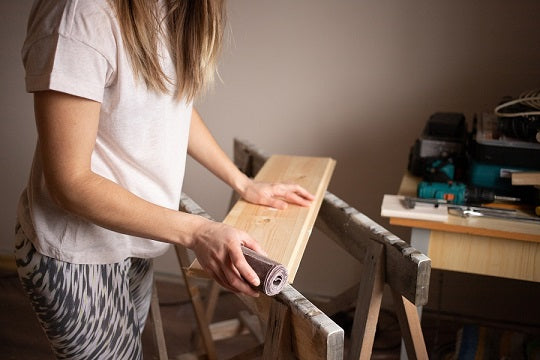
- Smoothing surfaces: An important step in preparing wood surfaces is sanding. Sandpaper or sanding wheels should be used to smooth the wood surface so that it is even and free of irregularities. If the wood surface is uneven, the laser engraving machine may have difficulty maintaining a constant focus, which can result in uneven or blurred engraving.
- Applying coatings: For some special woods, such as hardwood, paint or varnish can be applied to improve the hardness and wear resistance of the wood and increase the quality and durability of the engraving.
Surface Preparation for Plastics during Laser Engraving:
Choosing the right type of plastic is crucial for achieving good results in laser engraving. Some plastics, such as acrylic and polycarbonate, respond very well to laser energy and can produce clear engravings. In addition, transparent or light-colored plastics can offer higher contrast and clarity in the engraving. However, other types of plastic, such as polyethylene and polypropylene, may prove less suitable for laser engraving as they may not deliver the desired engraving quality.

In addition to the commonly used materials mentioned above, there are also some special materials whose surface treatment requires special attention. For example, the surface treatment of ceramic materials can use methods such as sandblasting or chemical etching to increase their surface roughness and laser absorption properties. The surface treatment of glass materials can use special glass etching agents to achieve engraving effects through etching coatings or engravings. The surface treatment methods for these special materials should be selected and tested on a case-by-case basis.
When selecting materials and surface treatment techniques, it is recommended to perform various sample tests to determine the optimal engraving parameters and treatments. In addition, material and surface treatment requirements may vary between different laser systems and engraving machines, so it is advisable to consult the recommendations and guidelines provided by the equipment manufacturer.
Conclusion
In summary, preparing the surface of the material to be engraved is a fundamental step in ensuring the quality and effectiveness of the engraving. Proper surface treatment can remove impurities, reduce reflections, and improve laser beam transmission to achieve the desired engraving effect. Choosing the right material and applying appropriate surface treatment techniques will help you achieve high-quality laser engraving results.
Comments
0 comments
Please sign in to leave a comment.